A Designer's Guide to Luxury Bedding Materials: What Sets Giza 45, TENCEL, and Wool Apart
Explore how premium materials shape the feel, durability, and performance of luxury bedding. This guide compares Giza 45 Egyptian cotton, TENCEL Lyocell blends, and natural wool, helping readers understand where each shines in a high-end sleep environment.
In the quiet theater of a luxury bedroom, textiles are the principal actors. The way a sheet catches a breeze, the way a duvet cover drapes over a down-filled comforter, and the way a pillow settles beneath the head—these are not mere details. They are a language. A well-chosen material speaks of terroir and craft, of centuries of weave and loom, of the contemporary insistence on sustainability and comfort. To understand luxury bedding is to learn how three cornerstone materials—Giza 45 Egyptian cotton, TENCEL Lyocell blends, and natural wool—each contribute a distinct character to the sleep environment.
What follows is not a shopping list but a slow, discerning walk through the texture, temperature, and breathability that define premium sleep surfaces. We will consider how these fabrics perform across different mattress styles, room climates, and personal preferences. The aim is to equip readers with a vocabulary for evaluating sets that promise softness without surrendering structure, and lightness without sacrificing warmth when needed.
Giza 45 Egyptian Cotton: The Benchmark of Crisp Luxury
Giza 45 Egyptian cotton stands as a standard-bearer in the realm of luxury textiles. Its fiber is exceptionally long-staple, yielding a thread that can be drawn into a slender, strong strand with a smooth, lustrous surface. The result is fabric that feels refined, with a calm, matte sheen and an unmistakable sense of poise. The Giza 45 family has become synonymous with high-thread-count percale and sateen weaves that wear gracefully over time, maintaining a crispness that many associate with hotel-room serenity and meticulous tailoring.
From a design perspective, sheets built with Giza 45 are prized for their balance between sheen and restraint. The hand is airy, the drape is elegant, and the surface is perceptibly cool to the touch when pulled across the skin. The feel invites a certain ritual: a moment of smooth gliding across a cool surface before sleep, a tactile cue that luxury can be both gentle and reassuring at the same time.
Yet the advantages of Giza 45 extend beyond sensation. The textile’s long fibers contribute to durability and colorfastness, traits that matter when constructing a sleep space intended to endure. In practical terms, this means linen-like longevity in hems, seams, and edges, with a fabric that resists pilling and maintains its structural integrity under regular washing. For readers seeking a quintessentially refined bedding experience, Giza 45 offers a reliable, time-tested backbone for a luxury sleep sanctuary.
TENCEL Lyocell Blends: Breathability as a Design Principle
TENCEL Lyocell emerges from a different technical universe—one defined by cellulosic origin, plant-based sourcing, and responsible manufacturing. When married to blends—often with cotton or other smoothing fibers—Lyocell amplifies breathability, moisture management, and a soft, silk-like hand that remains remarkably stable through a range of temperatures. In the context of luxury bedding, TENCEL emphasizes the nocturnal comfort of airflow and the reduction of surface cling, producing a surface that feels light as air, yet generous in support for the body beneath.
The grid of design questions around TENCEL blends is subtle but consequential. How does a fabric interact with a given mattress system? What is the skin feel at onset of sleep, and how does it evolve through the night? TENCEL’s moisture-wicking qualities translate into less clamminess for sleepers who tend to overheat, while its dimensional stability helps the fabric retain its crisp or softly draped character after multiple launderings. For a modern bedroom that values a minimalist silhouette with maximum comfort, TENCEL blends offer a light, breathable canvas that complements a wide range of top-of-bed schemes—from crisp, pared-back percale to those with a touch of satin for sheen.
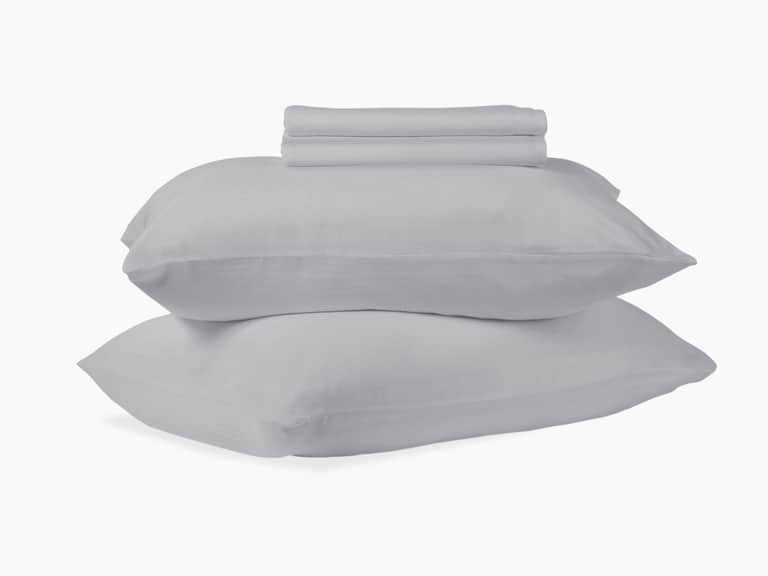
In practice, the Hyperlite Sheet Set—constructed from 100% TENCEL Lyocell and woven in a grid style—epitomizes this philosophy. The grid weave serves as an architectural device within a textile, creating deliberate channels for air to circulate, reducing surface moisture, and fostering a sensation of cleanliness that aligns with contemporary wellness aesthetics. The result is a sheet that feels almost insubstantial, yet carries a quiet confidence: the sense that it will perform as well on a humid summer night as on a dry winter evening.
Natural Wool: Temperature Regulation by Design
Wool’s reputation for warmth often precedes it, yet the fiber is a masterclass in temperature regulation rather than mere insulation. Natural wool fibers possess a remarkable capacity to wick moisture while maintaining loft. This combination lends wool a versatility that suits cooler seasons and transitional nights, where comfort might otherwise hinge on layering. In luxury bedding, wool is frequently used as a filling in quilts and comforters, or as a wool-wrapped layer within pillow cores, where it contributes a gentle, breathable resilience.
The appeal of wool within high-end sleep environments lies in its natural ability to adapt to changing body temperatures. It helps to prevent overheating during the warm hours and supports warmth during cooler moments, all without the heaviness one might expect from traditional thermal materials. Wool’s intrinsic breathability also translates into a quieter, less clammy experience—one that can feel almost breathable in a room that maintains a modest humidity level. In sum, wool offers a tactile warmth that remains composed and breathable, a paradox that luxury bedding often aspires to achieve.
This is not abstraction: a well-designed wool layer can transform a room’s sleeping climate. When paired with a breathable cotton foundation and a well-chosen top layer, wool contributes to a sanctuary where sleep physiology—heart rate, breathing, and thermoregulation—can settle into a calmer state.
Pairing Materials with Mattresses and Rooms
To appreciate these materials fully, one must consider their interplay with mattress types and room climates. A Giza 45 sheet set, with its crisp hand, shines on a mattress that favors a clean, structured surface. It complements a foundation that supports upright loft and clear edge control, especially when the bed is nestled within a room that emphasizes architectural lines and understated color palettes. In cooler rooms, a line-dried or lightly pressed Giza 45 sheet can enhance the perception of cleanliness and tell a story of disciplined taste.
TENCEL Lyocell blends perform beautifully in warmer environments and for sleepers who prefer a lighter, more breathable touch. Their moisture-wicking properties can temper the sensation of night sweats or humid nights, especially when paired with a temperature-regulating mattress system or climate-controlled bedroom. The grid weave of Hyperlite sheets, in particular, embodies a design strategy that prioritizes airflow without compromising softness—a subtle reminder that luxury can be scientifically attuned to the body’s needs.
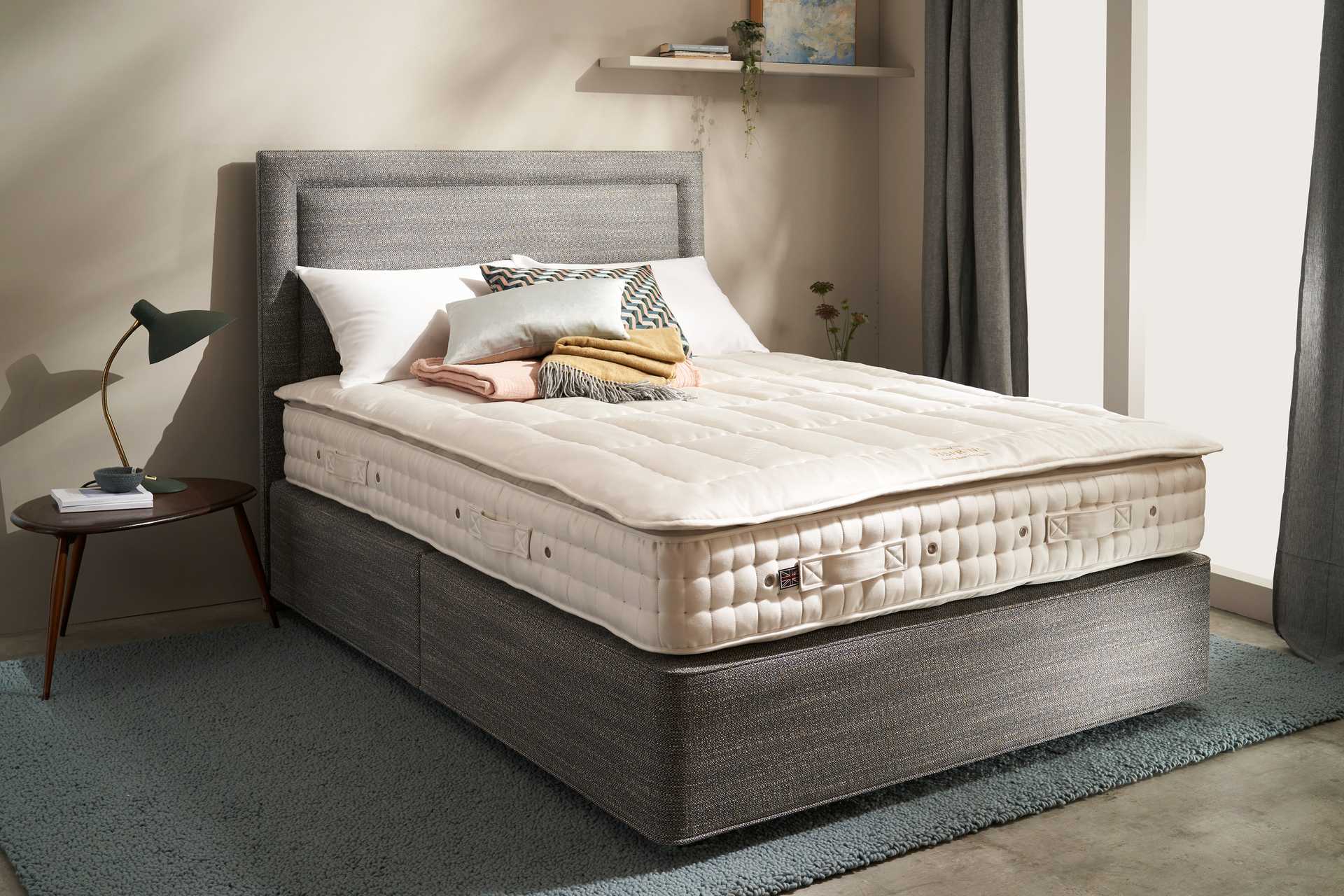
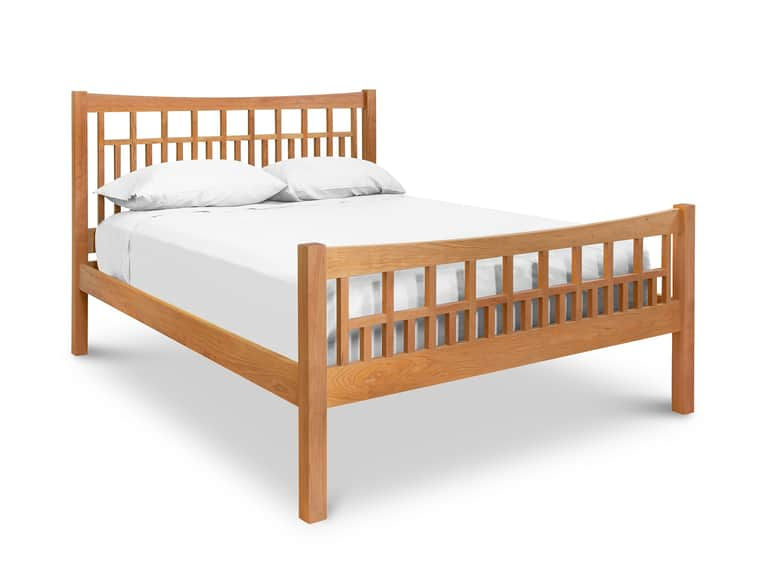
Natural wool layers, when used in bedding, invite a slightly different approach. Wool’s temperature regulation works in concert with a wool-wrapped pillow or a wool-filled comforter to create a sleeping climate that feels natural and balanced. In rooms that lean toward traditional or Arts-and-Crafts aesthetics, wool layers can bridge the tactile warmth of the textiles with the architectural restraint of the space, delivering a sense of coziness that still respects the room’s clean lines and light. The pairing of wool with a platform bed or a solid-wood frame—with careful attention to moisture management—further emphasizes the sense that luxury is less about excess and more about the right proportions of warmth, breathability, and texture.
Texture, Care, and Longevity: Practical Considerations
Beyond feel, luxury bedding is a matter of maintenance and longevity. Giza 45 fibers demand attention to laundering to preserve their crispness and color. A gentle wash cycle, a cool water temperature, and line-drying or low-heat tumble-drying can extend the life of these fibers without sacrificing the fabric’s integrity. The care routine is not a restraint but a ritual—the equivalent of keeping tailored upholstery pristine within a room that prizes longevity and quiet sophistication.
TENCEL Lyocell, with its moisture-management properties, often copes well with a broader spectrum of care conditions. Its fibers respond to gentle laundering, and many blends are less prone to wrinkling than pure cottons, though care labeling should guide the exact approach. For textiles that promise breathability, the goal is to preserve the inherent softness while maintaining the weave’s structural stability. In practice, this means a careful balance of wash temperature, detergent choice, and drying method, with an eye toward environmental considerations that align with a luxury ethos of sustainability and responsibility.
Natural wool requires different handling. The wool’s resilience comes with its own caveats: wool fibers can felt or lose loft if agitated aggressively, and some wool-filled pieces prefer dry cleaning or spot cleaning for long-term resilience. The philosophy here is to treat wool as a living material—one that rewards gentle care and mindful maintenance. In a sophisticated sleep environment, a wool-based layer can endure for many years when treated with respect, much like a well-aged piece of furniture within the same room.
Editorial Perspective: Building a Luxury Sleep Sanctuary
The materials—Giza 45, TENCEL Lyocell, and natural wool—are not isolated choices. They form part of a larger conversation about how a bedroom becomes a sanctuary. In this space, the texture speaks as loudly as the color. The tactile interplay between sheet, duvet cover, and pillowcase constructs a narrative about calm, restraint, and refinement. The aim is not to overwhelm with opulence but to curate a sensory environment where rest can unfold with ease.
From an editorial standpoint, the luxury bedding discourse privileges transparency, durability, and the alignment of product and space with a reader’s real-life rhythms. It invites a reader to consider what constitutes “premium” in bedding: is it the initial softness, the long-term resilience, or the quiet confidence that arises when a room feels well-considered? The answer, perhaps, lies in a balanced mix of all three. The materials discussed here offer a toolkit for achieving that equilibrium, whether one is assembling a new sleep sanctuary or refining an existing one.
In a landscape where online shopping rewards rapid decisions, a slower, more deliberate approach—rooted in textile science, aesthetic restraint, and practical care—can feel like a breath of fresh air. Luxury bedding, properly understood, becomes less about trends and more about enduring comfort—an investment in rest that pays dividends in mood, energy, and daily life.
Product Spotlight: A Thoughtful Inclusion
Among the curated offerings on our site, the Hyperlite Sheet Set stands as a tangible example of how premium materials translate into everyday usability. Crafted from 100% TENCEL Lyocell, the Hyperlite system uses a grid weave designed to optimize airflow, producing a surface that feels light while remaining unexpectedly supportive against the skin. The product embodies the principles outlined here: breathability, lightness, and a refined softness that aligns with a modern, wellness-oriented bedroom aesthetic.
In a setting where care and intention define the experience, the Hyperlite Sheet Set demonstrates how a fabric’s technical properties—absorbency, wicking, and air channels—translate into a nightly ritual. The result is a sleep surface that remains comfortable across seasons, encouraging a sense of composure when slipping into bed. For readers seeking materials that balance tactile pleasure with practical performance, this is a compact encapsulation of the design philosophy described in this guide.
Note: This article focuses on informing readers about material characteristics and their impact on sleep quality. While product examples help illustrate these concepts, the emphasis remains on editorial, non-commercial guidance to support thoughtful decisions about luxury bedding and bedroom design.
Conclusion: The Quiet Luxury of Material Intelligence
Luxury bedding, at its best, is a conversation between fabric science and interior composition. Giza 45 Egyptian cotton offers a crisp, durable canvas that whispers of classic refinement. TENCEL Lyocell blends bring a breathable, adaptable modernity, suitable for climates and preferences that lean into lightness. Natural wool grounds the experience in warmth and natural resilience, a reminder that comfort can be intrinsically sustainable and elegantly understated.
Together, these materials empower readers to design sleep environments that feel both timeless and alive to the moment. They invite a disciplined yet generous approach: select a primary material for the mattress environment, complement it with a second for texture and temperature modulation, and finish with a third to anchor warmth or coolness as needed. In this balance, the luxury bed becomes more than a place to rest; it becomes a daily experience of refined ease, a small but meaningful luxury that does not demand attention so much as reward it.
If the aim is to cultivate a sanctuary that respects both science and aesthetics, then this guide offers a starting point for discerning readers. It is a map to materials that elevate sleep—not by ostentation, but by generosity of feel, durability, and thoughtfulness about how we rest in the twenty-first century.
Additional Reading and Resources
Glossaries and guides on luxury sleep materials can help readers deepen their understanding of textile science, weave structures, and fiber health. For those who wish to explore further, consider looking into textile standards, certifications, and the broader design conversations around sustainable luxury. The aim remains to empower readers to curate sleeping environments that are both elegant and healthy—spaces where rest becomes a daily luxury grounded in material intelligence.